
The Myth of the Art Investment: Why You Are Buying Wrong
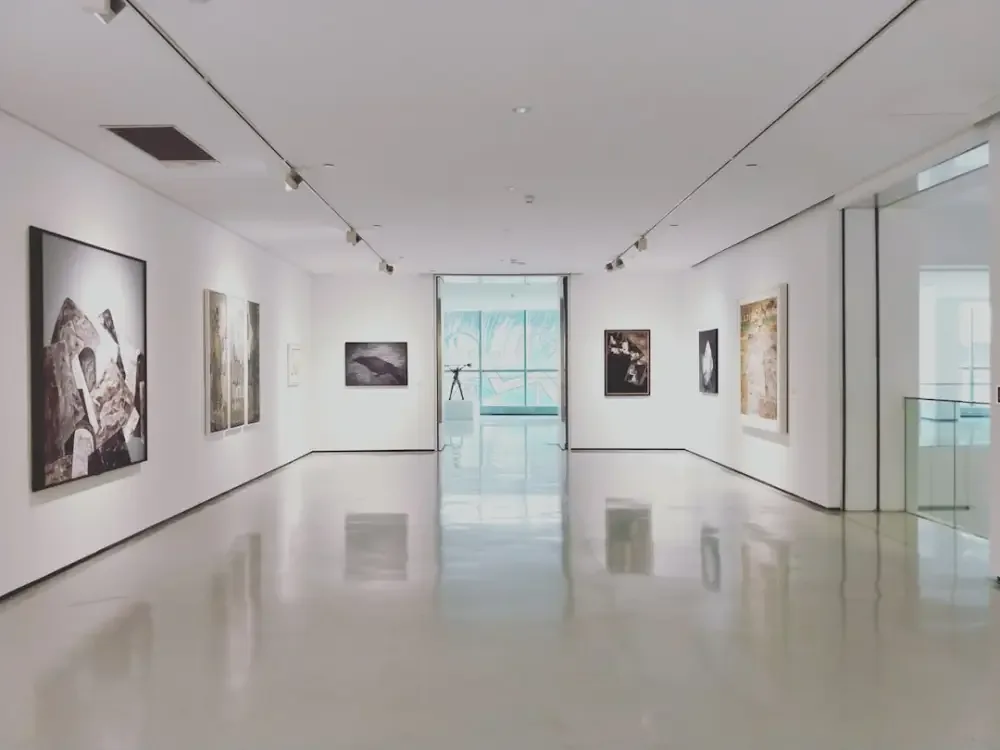
The traditional art world is a masterclass in intimidation. From the sterile, white-walled galleries of Chelsea to the high-pressure auctions at Sotheby’s, the message is clear: if you aren’t buying for future resale value, you aren’t a serious collector. I am here to tell you that this perspective is not only exhausting, it is fundamentally boring. The obsession with 'art as an asset class' has stripped the soul out of modern interiors, leaving us with homes that look more like corporate lobbies than personal sanctuaries.
If you want to finally start buying art that actually fits your personal style, you must first commit to a radical act of rebellion: stop caring about what the market thinks. A piece of art that 'might' double in value in ten years but makes you feel nothing today is a waste of wall space. True style is born from a visceral connection between the viewer and the canvas. When you buy for the 'click'—that immediate, undeniable pull toward a piece—you are building a collection that is immune to the fickle nature of trends.
Identifying Your Visual Vocabulary
Most people claim they don't know what they like, but that is rarely true. More often, they are simply afraid of liking the 'wrong' thing. Your personal style isn't something you find in a catalog; it is a visual vocabulary you have been building your entire life. To unlock it, you need to look at your existing preferences without the filter of prestige.
Stop Matching the Sofa
One of the most pervasive mistakes in amateur art buying is the desire for 'coordination.' We have been conditioned to believe that the painting must match the throw pillows or the rug. This is a decorator’s trap. Art is not furniture; it is a conversation. When you choose art based on a color palette alone, you are relegated to buying background noise. The most compelling rooms are those where the art creates a deliberate tension with the decor. A minimalist, monochromatic room can be electrified by a chaotic, textured abstract. A traditional space can be brought into the present with a sharp, contemporary photograph. If it matches too perfectly, it disappears.
Texture, Scale, and Narrative
Instead of focusing on color, focus on what I call the 'Triad of Impact': Texture, Scale, and Narrative. Do you find yourself drawn to the thick, impasto brushstrokes of an oil painting, or the clean, clinical lines of a digital print? Does a massive, floor-to-ceiling canvas excite you, or do you prefer a 'salon wall' of small, intimate sketches? Most importantly, what story is the piece telling? If you cannot find a narrative—even an abstract one—within the work, you will likely grow tired of it within six months.
The Strategy for a Collection That Lasts
Once you’ve abandoned the idea of art as a financial hedge, you can actually begin the work of curation. Curation is an active process. It requires you to move beyond the first page of search results and the most popular Instagram hashtags. You must be willing to look where others aren't looking.
To build a collection that feels like an extension of your identity, follow these principles:
- Vulnerability over Polish: Look for work that shows the artist's hand. Perfection is sterile. The slight tremor in a line or the uneven drip of paint provides a human connection that mass-produced 'lifestyle art' lacks.
- Support the Living: There is a strange fetishization of dead artists. Buying from emerging, living artists not only makes the acquisition more affordable but allows you to be part of the work’s ongoing history.
- Ignore the Medium Snobs: There is no rule saying oil on canvas is superior to photography, charcoal, or textile art. If a woven tapestry speaks to your soul more than a landscape painting, buy the tapestry.
- Trust the 'Gut Check': If you find yourself making excuses for why a piece is 'good' (e.g., 'the artist went to Yale,' or 'it’s very popular right now'), you probably don't actually like it.
How to Execute the 'Final Yes'
When you are standing in front of a piece—or, more likely today, staring at it on a high-resolution screen—you need a framework to decide if it truly fits your style. Buying art is an emotional decision, but it should be a disciplined one. Use this checklist before you pull the trigger:
- Does this provoke a physical reaction? Do you feel a slight lift in your chest or a sense of calm? If it leaves you neutral, walk away.
- Would I still want this if nobody else ever saw it? This is the ultimate test for status-buying. If you were living in total isolation, would this piece still bring you joy?
- Does it challenge me? The best art isn't always 'pretty.' Sometimes the best fit for your style is a piece that asks a question or makes you slightly uncomfortable.
- Is the price a reflection of my passion or my ego? Be honest about why you are spending the money.
The Final Word: Own Your Walls
At the end of the day, your home is not a museum for the public; it is a private gallery for your life. The gatekeepers of the art world want you to feel small so you will rely on their 'expertise' to tell you what is valuable. But the only person qualified to judge the value of art in your home is you. When you start buying art that resonates with your personal history and your specific aesthetic sensibilities, you stop being a consumer and start being a collector. Own your taste, trust your eye, and for heaven's sake, stop buying art that matches your sofa.